The Power of Peer Support in Trauma Recovery
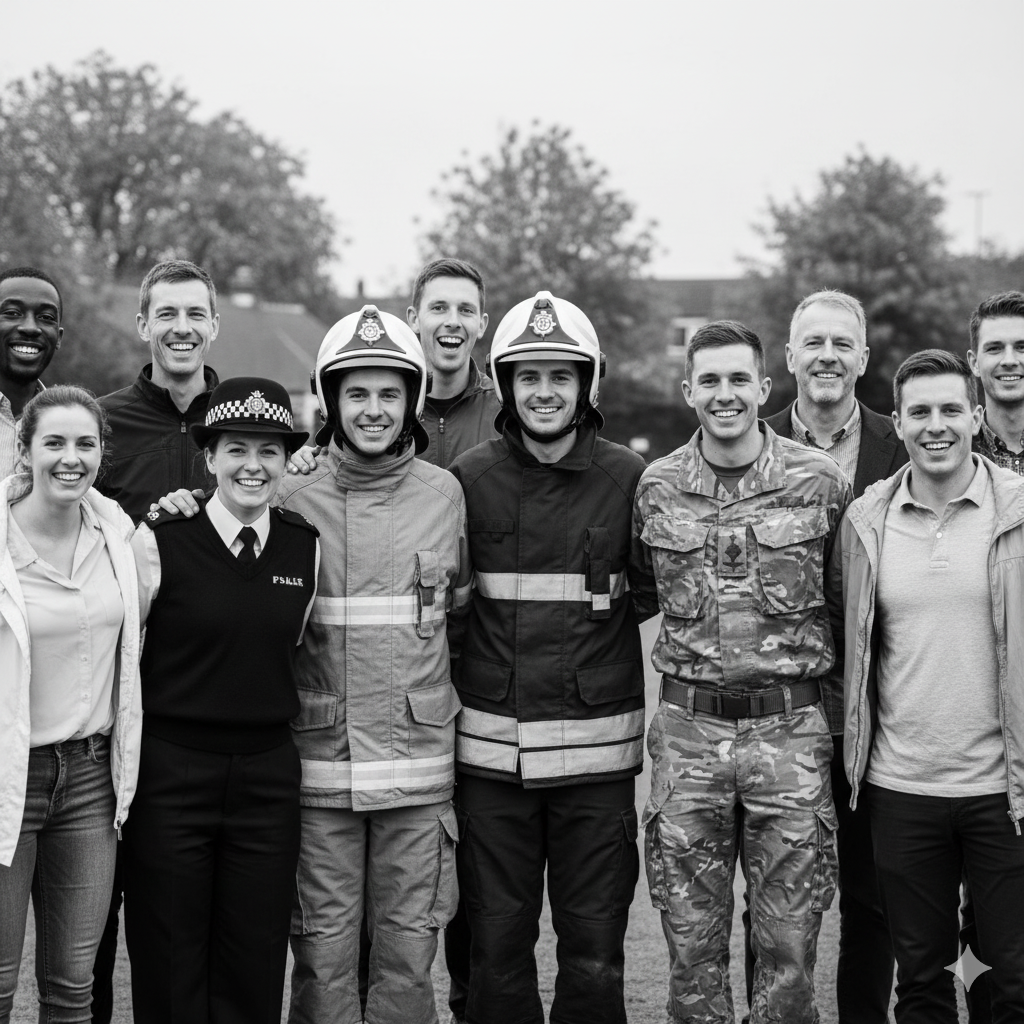
Sometimes the most effective support after a traumatic event isn’t brought in from outside.
It comes from the people who already understand you, your work and the environment you’ve been working in.
That is one of the things I have always valued about Trauma Risk Management (TRiM).
TRiM is a peer-led process designed to identify people who may be struggling following exposure to a potentially traumatic event, provide appropriate support and information, and identify those who may benefit from further specialist help. It isn’t therapy, and it isn’t about forcing people to talk about what has happened. It is about early recognition, practical support and knowing when someone needs more help.
The approach was pioneered within the Royal Marines in the 1990s and subsequently developed and researched with King’s College London. It was later adopted across the UK Armed Forces and by organisations including the Foreign, Commonwealth & Development Office (FCDO) and police services.
The FCDO was using trauma risk assessment and support following the devastating bombing of the British Consulate in Istanbul in 2003, where staff were killed and many others were injured or traumatised. One lost was a young woman I had started my diplomatic career with in 1996. The Foreign Affairs Committee subsequently identified many lessons from the handling of the tradegy and recorded the importance of continued aftercare for those affected.
My own experience of TRiM came a few years later.
In 2006, while working in Iraq, I was evacuated and went through the TRiM process myself. I was impressed by it. Not simply because someone was checking whether I was OK, but because the person doing that checking understood the environment I had come from.
That stayed with me.
I subsequently trained as a TRiM assessor myself, and continued using and supporting colleagues when I moved into policing.
For me, one of the great strengths of TRiM is that it sits inside the organisation.
There is an important place for Employee Assistance Programmes, counselling and external specialists. But when you’ve experienced something extraordinary in an organisation where the work itself can expose you to risk, there can be something particularly powerful about sitting down with someone who understands the culture, the pressures and the job.
You don’t necessarily have to explain everything from the beginning.
They already know something about the world you’ve just come from.
Perhaps that is one of the most important lessons I’ve taken from TRiM: support doesn’t always have to come from outside the organisation. Sometimes resilience is strengthened by building the capacity to look after our own people from within.
That principle has stayed with me throughout my career and is one of the reasons I created The Sanctum Program.
Sanctum is for people like me, who regularly hold space for others – the therapists, wellbeing professionals, counsellors, managers, social workers, and “life’s givers” who are often so busy supporting everyone else that their own resilience gets pushed to the bottom of the list.
I wanted to create something that runs much deeper than superficial self-care tips – something that understands trauma like the TRiM process does. The online Sanctum Program is accompanied by a reflective printed workbook that prompts self honesty, and is supported by insight and understanding of what you are likely to face in your role. It is for those like me who understand self investment is part of offering a better service to others.
If that sounds like you, perhaps it’s time to create a little space for yourself.
Explore The Sanctum Program here: The Sanctum Program


Leave a Reply