Over the past few years, I’ve increasingly wondered whether I have ADHD (Attention Deficit Hyperactivity Disorder).
Having done plenty of online tests, spent time learning more about neurodiversity, and listened to the observations of a close family member with a psychology degree, I’d say there’s a strong possibility that I do.
In many ways, the signs fit.
The busy brain with endless ideas.
The jumping between tasks and divergent thinking.
The intense hyperfocus for subjects of passion and exceptional creativity
The inability to fully rest and high energy levels
The ability to think quickly in a crisis
And honestly? Discovering more about neurodiversity brought a certain level of relief. There’s comfort in understanding yourself through a different lens. For many people, a diagnosis – whether formal, informal, or self-identified – can be life changing. It can replace shame with compassion. It can help people stop feeling “broken”.
But over the past couple of years, I’ve also noticed something else.
An enormous rise in people identifying as neurodiverse. Some formally diagnosed. Some self-diagnosed. Some simply resonating with what they see online.
And it made me curious. Not sceptical. Curious.
I started wondering whether modern society itself can amplify – or even mimic – certain ADHD traits. I also began questioning whether labels can sometimes become self-fulfilling. Whether we can unconsciously start living to our “neuro branding”.
“This is just how I am.”
“That’s my ADHD.”
“I can’t help it.”
Now to be very clear: I am not saying ADHD isn’t real. I absolutely believe it is.
But I do believe – and there is evidence to suggest – that modern life can exacerbate ADHD symptoms enormously – even in people who may not clinically have ADHD.
👉🏼 👉🏼 👉🏼 The Attention Economy
We are living in a world where our attention has become modern currency.
Some of the most powerful companies on Earth employ neuroscientists, behavioural psychologists, and algorithm specialists whose job is to keep us scrolling, clicking, consuming, reacting, and returning for more.
Social media platforms, news apps, streaming services, and even our phones themselves are designed to interrupt attention and reward distraction.
Every notification gives the brain a tiny dopamine hit.
Every short-form video trains us to consume information faster.
Every endless scroll weakens our ability to sit still with boredom.
Research has shown that constant digital stimulation impacts attention span, impulse control, working memory, and emotional regulation – all traits commonly associated with ADHD.
So it’s perhaps no surprise that many of us are struggling to focus in ways we never used to.
In my programs, I often talk about how modern society can intensify nervous system disregulation. We live faster than humans were designed to live. We consume more information in one day than previous generations absorbed in months. We are overstimulated, under-rested, emotionally flooded, and constantly “on”.
That doesn’t create ADHD.
But I do believe it can magnify symptoms that look remarkably similar.
🌳 The Part I Didn’t Expect
About a year ago, I began receiving Root Cause Therapy (RCT).
And something surprising happened.
Certain aspects of me that presented as ADHD began to soften.
Not disappear completely.
Not magically vanish overnight.
But diminish.
RCT works differently from traditional talking therapies. Rather than focusing only on conscious thoughts and cognitive reframing, it works with the unconscious mind and the soma – the body where many of our emotional experiences, beliefs, and survival patterns are stored.
Through this work, I uncovered beliefs I didn’t even realise were driving my behaviour.
Beliefs like:
- I am lazy.
- Keeping busy keeps me safe.
- I need to struggle.
- Relaxing is a waste of time.
- I must constantly achieve in order to be worthy.
When I really looked at those beliefs, I realised how many of my behaviours were being fuelled by survival patterns rather than simply personality or neuro wiring.
My constant busyness wasn’t always productivity. Sometimes it was fear. Sometimes it was avoidance. Sometimes it was nervous system conditioning.
I realised I had become addicted to urgency.
And when you’re constantly driven by internal pressure, your life can begin to look very ADHD-like.
Multiple projects.
Difficulty slowing down.
Task switching.
Mental overwhelm.
Restlessness.
Impulsivity.
Overcommitting.
Difficulty resting without guilt.
Again, I’m not saying this wasn’t ADHD.
I’m saying there were layers underneath it that I had never explored.
❤️ Being Kind to Yourself
One of the greatest gifts of my healing journey has been awareness.
I still have a wonderfully busy brain.
I still think differently.
I still generate ideas rapidly.
I still juggle multiple passions and businesses.
But now I observe my mind differently.
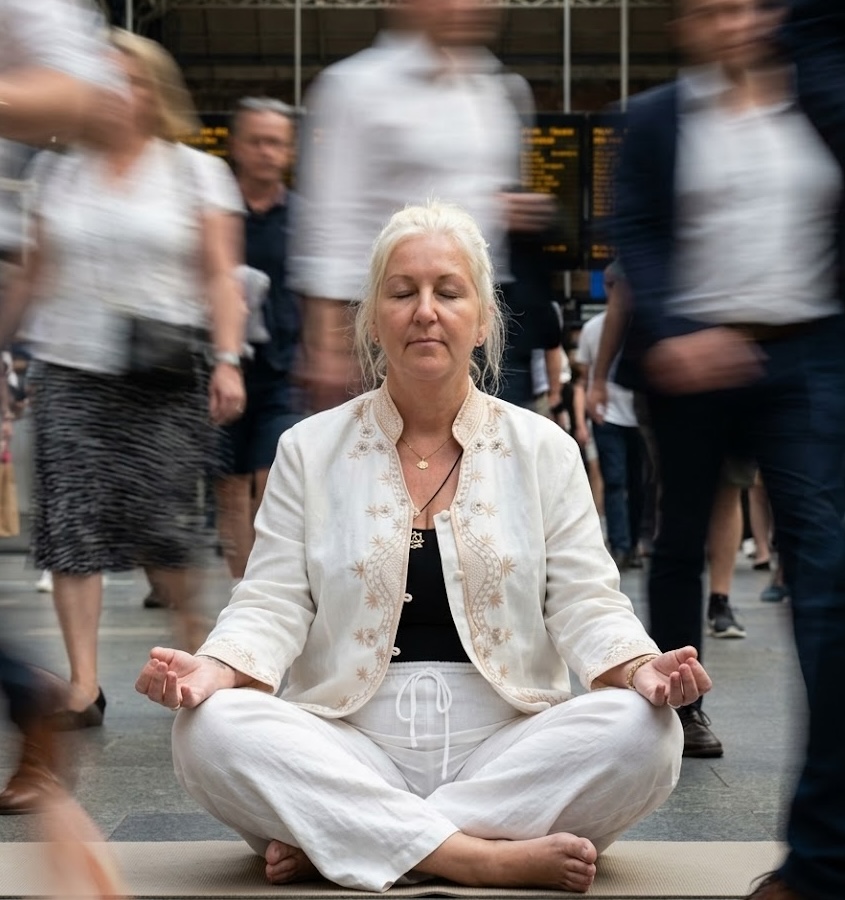
Rather than fighting my brain, I’ve learnt to stand slightly apart from it.
To work with it rather than against it.
To notice when my nervous system is activated.
To notice when I’m operating from fear, pressure, or unconscious programming.
RCT also helped soften my inner critic – the voice that constantly berated me for doing too much, being too much, or not doing enough all at the same time.
Ironically, the more compassionate I became with myself, the calmer my mind became too.
Today, I happily run three very different businesses. My brain still moves quickly, creatively, and intensely – but with far more awareness and far less shame.
📒 You Are More Than Your Diagnosis
If you have ADHD, this is not about denying your experience.
And if receiving a diagnosis has helped you understand yourself better, that matters.
But I also believe it’s important not to hand over your entire identity to any label.
Because once we decide “this is just who I am”, we can stop exploring who else we might become.
We stop questioning our patterns.
We stop investigating our conditioning.
We stop healing the parts of ourselves that can shift.
A diagnosis can explain behaviour.
But it shouldn’t necessarily define potential.
There may be aspects of yourself you can change.
There may be unconscious beliefs driving behaviours you thought were fixed forever.
There may be nervous system patterns masquerading as personality traits.
There may be healing available to you that goes far beyond symptom management.
And perhaps the goal is simply becoming aware.
Aware enough to stop fighting yourself.
Aware enough to work with your mind instead of against it.
Aware enough to recognise that while some parts of us may be wired a certain way, many other parts remain wonderfully adaptable, healable, and open to growth.
You are not just your diagnosis.
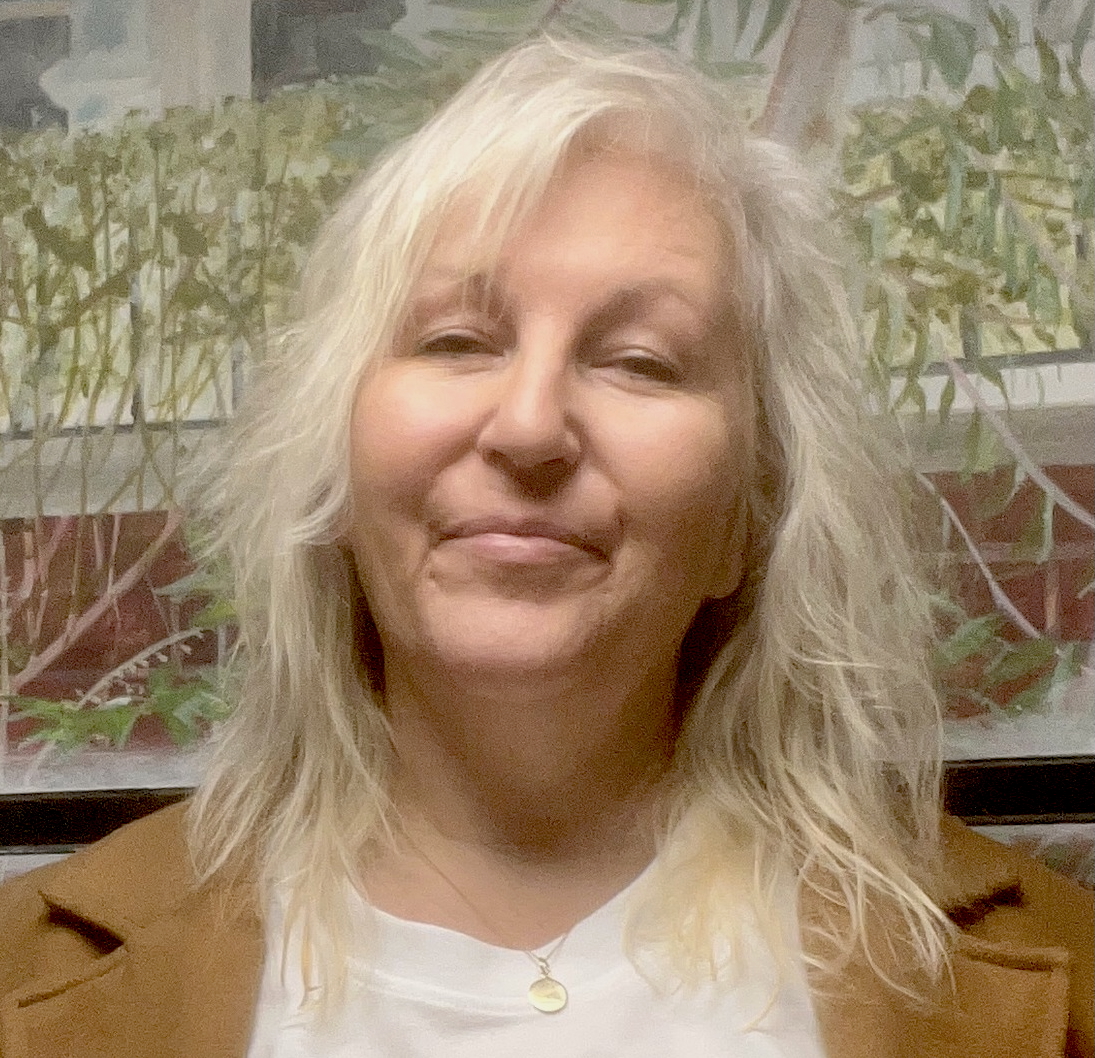
Caroline Jaine – also known as “The Resilience Guide” – is based in Gloucester in the UK. An author and former Diplomat who has served overseas in some tough assignments, she is the founder of “The Resilience Academy” and is also a Root Cause Therapist. She is passionate about empowering people to be free of trauma, negative experience, and repeated unwanted behaviour, and helping them to rewrite their own stories. She does this through therapy and healing, but has also created amazing online self-directed programs that “dig deep” into self development.
 CarolineJaine.com
Leave a comment