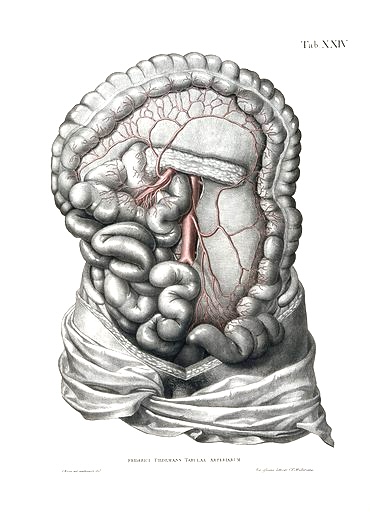
We often talk about trusting our gut as if it’s a metaphor for instinct – but in truth, our gut has a great deal to say about who we are and how we feel. The more scientists study the gut–brain connection, the clearer it becomes that digestion isn’t just a biological process. It’s a mirror of our inner world: our history, our stress, our resilience, and even our sense of safety.
The Science Beneath the Feeling
The gut is sometimes called our second brain – a term that isn’t poetic exaggeration. Within the walls of our intestines lives the enteric nervous system, a network of over 100 million neurons that communicate directly with the brain via the vagus nerve. (The other two nervous systems, you will have heard me speaking about, are the parasympathetic and sympathetic nervous systems).
This two-way communication means that what happens in your mind can affect your stomach – and what happens in your stomach can affect your mood. Anxiety might slow digestion. Chronic stress can alter gut bacteria and weaken the intestinal lining. Meanwhile, a balanced, well-fed microbiome can produce neurotransmitters like serotonin and dopamine, both essential to wellbeing and emotional stability.
But beyond the science, there’s something deeply personal at play: every gut is as unique as a fingerprint.
Why No Two Guts Are Alike
From the moment we’re born, our microbiome – the community of bacteria, viruses, and fungi that live inside us – begins to develop, shaped by genetics, early feeding, environment, antibiotics, and even emotional safety. Each meal, illness, and life event continues to sculpt it.
This means that your digestion is not simply a mechanical system, but a biography.
What you can eat comfortably might leave someone else bloated or tired. What soothes one person might inflame another. And this isn’t just chemistry – it’s experience. If you associate certain foods with comfort or conflict, your body remembers. The gut doesn’t separate biology from emotion; it registers both.
Tolerance Is Personal – and Emotional
Modern nutrition advice often takes a one-size-fits-all approach: this diet heals, that diet harms. But real life is rarely that neat.

One person thrives on sourdough bread; another reacts badly to gluten. Some feel grounded by eating meat, while others feel sluggish and uncomfortable with the idea. Some can’t tolerate caffeine because it mimics anxiety in their nervous system. Our emotional histories are intertwined with our biological ones. The foods that nourish us physically must also sit well with our psyche.
This is why mindful eating isn’t just about manners or pace – it’s about attunement. Listening to the body without judgement and recognising that your gut might have its own opinions, shaped by years of living.
The Non-Negotiables: What’s Bad for All of Us
While individuality is key, there are universal truths.
Some substances simply work against the human body – regardless of our differences.
- Known carcinogens (like certain food additives, burnt or smoked meats, and excess alcohol) directly damage cells and DNA.
- Ultra-processed foods often contain emulsifiers, preservatives, and refined sugars that disrupt the microbiome and drive inflammation.
- Environmental toxins and pesticide residues can accumulate over time, quietly altering how our bodies process nutrients and regulate energy.
These aren’t moral failings or indulgences to feel guilty about – they’re environmental realities. The more we can limit them, the easier it becomes for our gut to return to its natural intelligence.
Learning to Listen
Tuning into gut health isn’t about restriction – it’s about curiosity.
Ask your body what it’s trying to say. Notice how you feel after eating, not just during. Keep a food and mood journal for a week, and see what patterns emerge.
You might find that what your body needs changes over time – just as you do. Seasons, stress levels, hormones, and emotional load all shape digestion. Gentleness and flexibility matter more than perfection.
A Personal System of Nourishment
Your gut is a storyteller. It remembers, reacts, and adapts. The more compassion you bring to that conversation, the stronger and more balanced your digestion – and your mood – will become.
There is no universal diet for wellbeing. There is only your body’s truth, waiting to be heard.
Trust your gut – it’s not just advice, it’s biology.
Caroline Jaine is a Resilience Guide and Creator of The Unbreakable Path


Leave a Reply