
Understanding Psychosomatic Illness
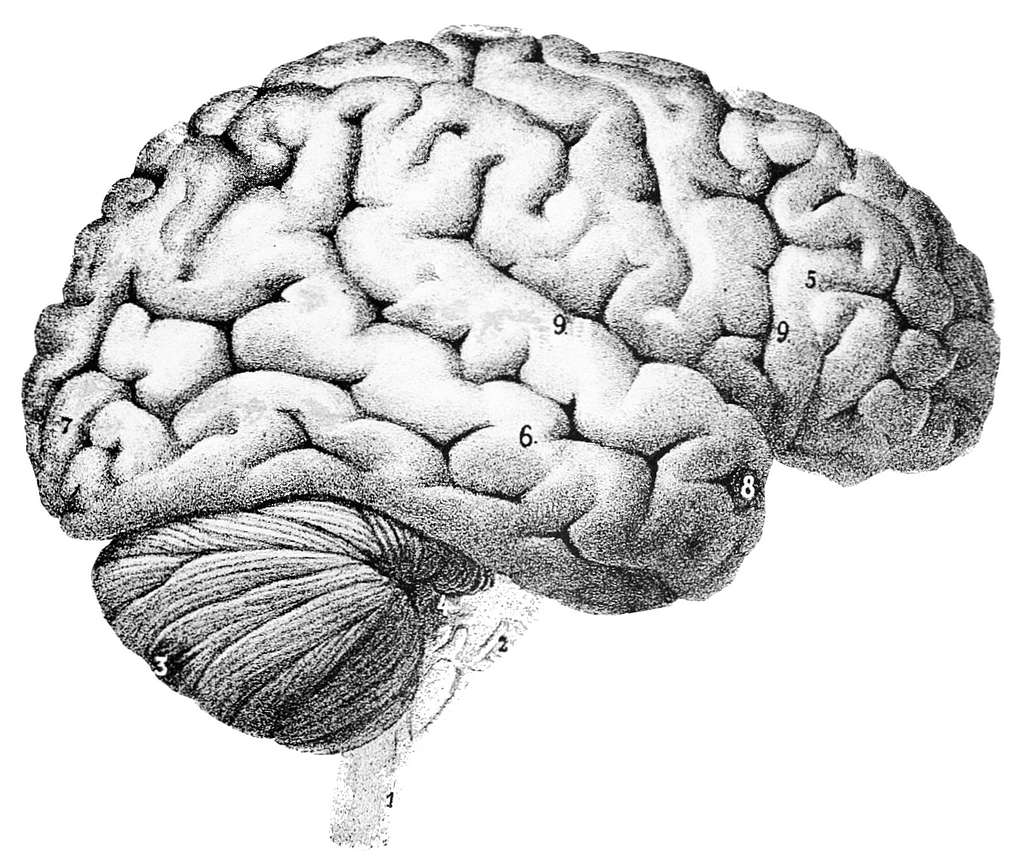
In the mid 19th century, Gloucester physician Ralph Fletcher was among the first to write about what we now call psychosomatic illness – the way our minds can generate or amplify real physical symptoms. His work challenged the idea that illness was purely mechanical. Instead, he proposed something radical for the time: that our thoughts, emotions, and beliefs can directly influence the body’s functioning.
Today, that idea no longer seems radical – it’s part of how we understand the deep and constant conversation between body and mind.
The Body’s Language of Distress
Psychosomatic symptoms aren’t imaginary. They’re real, measurable experiences – pain, fatigue, nausea, skin reactions, or shortness of breath – with emotional roots rather than purely biological ones.
When stress, fear, or unresolved trauma become overwhelming, the body often steps in to speak what the mind can’t. A tight chest might signal suppressed anxiety. Recurrent stomach issues can echo chronic worry. Headaches may mirror mental overload.
It’s the body’s way of saying, “Something needs attention.”
The Placebo Effect: Belief as Medicine
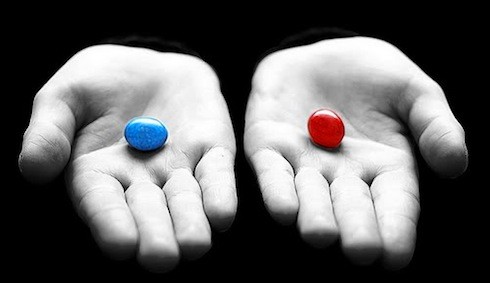
The placebo effect offers a fascinating window into this mind-body connection. When someone experiences real healing from a sugar pill or fake treatment, it’s not deception at work – it’s belief. There is even evidence of resolution of pain when someone is told they are receiving a placebo.
Believing that we’re receiving care triggers physiological changes:
- The brain releases endorphins and dopamine, easing pain and elevating mood.
- Stress hormones like cortisol drop.
- The body’s immune response can even improve.
The placebo effect isn’t “all in your head” — it’s a demonstration that the mind can mobilise the body’s healing systems through expectation and trust.
In this light, psychosomatic illness and placebo are two sides of the same coin: both show how profoundly the mind can affect the body’s chemistry.
The Role of Suggestibility
Suggestibility – how open we are to influence – plays an important role here. It’s not a weakness, but a measure of how receptive our nervous system is to cues from others or from ourselves.
When a trusted doctor says, “This will help,” or when we tell ourselves, “I can get through this,” our subconscious mind often responds by aligning bodily reactions with that belief. In the book “Verbal Medicine – The Language of Healing” Marc Sacco and Roger Woods share evidence that the words chosen to be said by attending paramedics can have an impact on the patient’s speed of healing. The same process can work in reverse: repeated suggestions of danger, failure, or illness can amplify discomfort or fatigue.
In trauma recovery, mindfulness, and even leadership coaching, this principle is powerful. The language we use – internally and externally – shapes not only our mental state but also our physical wellbeing. Words can calm a racing heart or trigger tension in the shoulders. The mind listens, and the body obeys. Read more about this in my blog article Words that Heal, Words that Hurt.
From Awareness to Integration
Understanding psychosomatic illness isn’t about dismissing symptoms – it’s about listening differently.
Rather than asking, “What’s wrong with me?”, we might ask, “What is my body trying to tell me?”
This approach doesn’t replace medical care, but it enriches it. As psychiatrist Bessel van der Kolk wrote in The Body Keeps the Score, “The body remembers what the mind forgets.” Healing often begins not by silencing the symptoms, but by honouring its message.
Psychosomatic illness reminds us that we are not machines – we are intricate ecosystems where thoughts, feelings, and biology constantly interact. The placebo effect proves that belief itself can be medicine, and suggestibility shows how powerfully words and expectations can shape our health.
Perhaps the true lesson is not that the mind can “cause” illness, but that it can also co-create healing. When we learn to listen to our bodies with curiosity rather than fear, we open the door to resilience – from the inside out.

Caroline Jaine is a Resilience Guide and Creator of The Unbreakable Path
 www.CarolineJaine.com