
Understanding Root Cause Therapy: Healing from the Inside Out
“There comes a point where we need to stop just pulling people out of the river. We need to go upstream and find out why they’re falling in” – Archbishop Desmond Tutu
Who it helps
☀️ People who feel stuck in a behavioural loop ☀️ addictive behaviours ☀️ types of trauma ☀️ recurring fear/phobia ☀️ unexplained anxiety ☀️ depression ☀️ chronic pain ☀️ lack of confidence ☀️ low self-esteem ☀️ Habits of overworking ☀️ feeling they need to constantly achieve ☀️unable to say no to things ☀️ repeated negative patterns in relationships ☀️ low self belief ☀️ sleep problems ☀️ low energy ☀️recurring illness ☀️ people who feel like they are losing “who they are” or their purpose ☀️ burnout
In the world of wellbeing and resilience, we often talk about “managing” anxiety, stress, or fear — as though these feelings are wild creatures to be tamed. But what if, instead of managing our emotions, we could understand them? What if we could uncover where they truly come from, and gently release their hold?
That’s the essence of Root Cause Therapy – a powerful, compassionate approach to healing that works not just with the mind, but with the body and nervous system too.
What is Root Cause Therapy?

Root Cause Therapy (often abbreviated to RCT) is a form of trauma-informed work that helps people identify and heal the underlying causes of their emotional and behavioural patterns. Rather than focusing only on symptoms – such as anxiety, avoidance, or overthinking – it looks deeper, tracing those responses back to the original experiences that shaped them.
The premise is simple but profound: many of our current struggles are echoes of the past. The nervous system learned, at some point, that certain feelings, places, or people weren’t safe – and it still reacts as though those dangers are present today.
Through gentle guided evidence-based processes, Root Cause Therapy helps you connect with your unconscious mind, identifies those early imprints and safely release the stored emotional charge from your body. It’s not about reliving trauma, but about meeting it with compassion, awareness, and understanding.
“The Body Keeps the Score”
Neuroscientist and psychiatrist Dr. Bessel van der Kolk, in his groundbreaking book The Body Keeps the Score, showed that our bodies remember what our minds may have tried to forget. Traumatic or overwhelming experiences can leave physical imprints – in our muscles, our breathing, even our posture – influencing how we feel and react long after the event has passed.
When something in the present triggers that stored memory, our nervous system responds as though the danger is happening now. That’s why a seemingly small stressor can cause such a strong emotional or physical reaction.
Root Cause Therapy aligns beautifully with this understanding. By helping the body and subconscious mind safely revisit and process those stored memories, it allows the nervous system to reset – bringing relief that talk-based approaches alone sometimes can’t reach.
Why identifying the cause matters
Imagine feeling anxious before a presentation. On the surface, it seems simple: you’re nervous about public speaking. But Root Cause Therapy might reveal that the root of that fear began in childhood – perhaps your were distressed when being criticised for “showing off” or made to feel small when you spoke up. It might be a time that your conscious mind had forgotten about.
Once that deeper memory is brought into conscious awareness, the adult self can reframe it: “I’m safe to speak now. My voice has value.” That moment of understanding can transform anxiety into empowerment.
The same applies to other emotions – fear, guilt, shame, even perfectionism. They all have roots somewhere, often buried under years of “coping.” Identifying them is the first step in loosening their grip. As Carl Jung said, “Until you make the unconscious conscious, it will direct your life and you will call it fate.”
The first step: Awareness with compassion
The journey always begins with awareness. Noticing what triggers you – what makes you tense, anxious, or withdrawn – offers clues to where healing is needed. Instead of judging those reactions, Root Cause Therapy invites curiosity: “What is this feeling trying to show me?”
This approach sits at the heart of self-compassion. When you can witness your reactions with understanding rather than criticism, you create space for real healing. You no longer fight your emotions – you listen to them.
Healing isn’t about fixing yourself
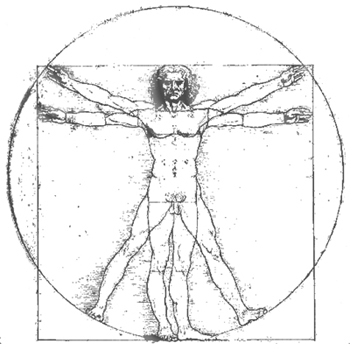
Perhaps the most beautiful truth of Root Cause Therapy is that it’s not about “fixing” who you are. It’s about freeing yourself from the old imprints that have kept you in survival mode for too long. The body, once it feels safe, knows how to return to balance.
As van der Kolk writes, “Trauma is not just an event that took place sometime in the past; it is also the imprint left by that experience on mind, brain, and body.” When we address that imprint with care and understanding, resilience naturally follows.
Root Cause Therapy helps you:
- Identify where anxiety, fear, or stress truly come from
- Release the stored emotional energy connected to past events
- Reconnect mind and body through awareness and compassion
- Build lasting resilience from the inside out
Healing begins when we stop asking “What’s wrong with me?” and start asking “What happened to me – and how can I bring kindness to it?”
If you keep pulling yourself out of the river, it’s time to go upstream and find out why you keep falling in.
BOOK A FREE CONVERSATION BEFORE YOUR THERAPY
This is a light conversation to check whether this type of therapy is suitable for you. Root Cause Therapy is a deep, transformational practice, but it is not for everyone. An initial Zoom consultation will understand your level of commitment; whether you are undergoing any other therapies; and provide you with a deeper understanding of what is involved and how many sessions you are likely to need. This chat is free and includes a basic assessment lasting approximately 20 minutes. https://calendly.com/caroline-jaine/introductory-call or email team@carolinejaine.com
To learn more about the many types of trauma, watch “Triggered” my Masterclass on trauma below.
Caroline Jaine
 www.CarolineJaine.com