
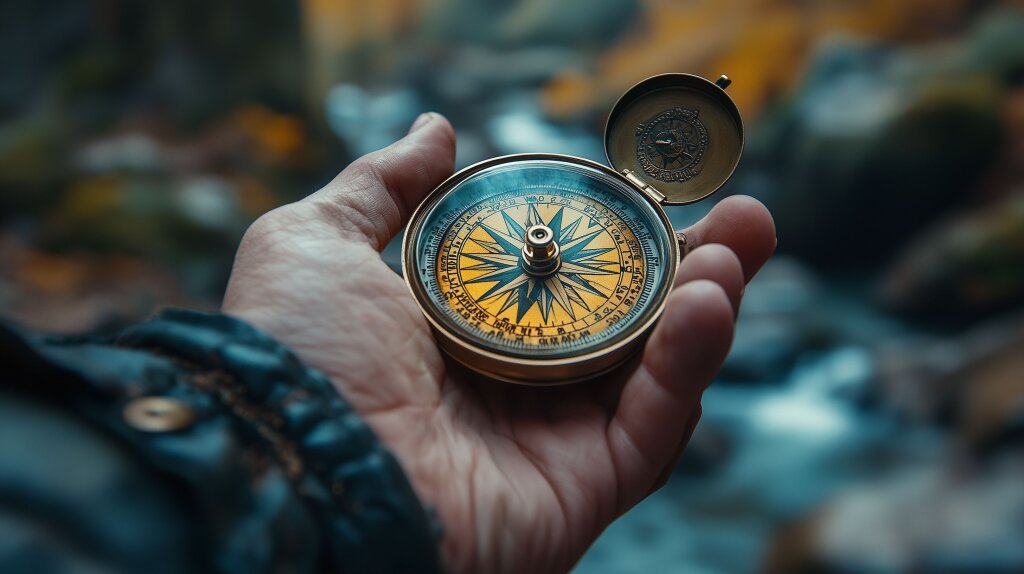
There’s a reason why people with a strong sense of purpose seem to bend, not break. When life throws its worst – grief, setbacks, stress, uncertainty – it’s often not strength or strategy that keeps us afloat. It’s meaning. Having a purpose is like having a compass during a storm. It doesn’t always make the journey easier, but it helps you keep going — especially when the path is unclear.
But what actually happens in the body and brain when we feel purposeful? And why does being disconnected from that purpose hurt so deeply?
Let’s explore what science – and life – has to say.
The Science of Purpose: Why It Literally Makes Us Stronger
Studies across psychology, neurology, and even immunology show that people who feel a sense of meaning in their lives have:
- Lower cortisol levels (less chronic stress)
- Stronger immune systems
- Better cardiovascular health
- Greater psychological wellbeing
- Longer life expectancy
In one 2015 Developmental Psychology study, researchers found that people with a strong sense of purpose reported lower levels of functional disability, performed better on cognitive tests
(episodic memory and speed of processing), reported better self-rated health, and fewer
depressive symptoms. The report also suggested that rates of aging were reduced in those with a strong sense of purpose.
Purpose gives the brain structure. It activates the prefrontal cortex — the area linked with planning, decision-making, and emotional regulation. This means when we have purpose, we’re more resilient to distraction and stress. We’re better able to tolerate setbacks and stay motivated.
In short: purpose acts like emotional armour. It doesn’t stop the arrows from coming, but it stops them from piercing so deep.
Ikigai: The Japanese Blueprint for Meaning
The Japanese concept of Ikigai (生き甲斐), which loosely translates to “a reason for being”, embodies this beautifully. It lies at the intersection of:
- What you love
- What you’re good at
- What the world needs
- What you can be paid for
Ikigai is less about job titles or productivity, and more about living in alignment. It’s why people in Okinawa – one of the world’s Blue Zones where people regularly live beyond 100 – rise with energy each morning, even in old age. They have community, routine, purpose. They are needed.
Purpose Prevents Burnout — But Can Also Lead to It
Here’s the paradox: purpose keeps us going. But when we’re stopped from fulfilling it, that drive has nowhere to go. It’s like an engine revving hard in neutral — all the power, none of the movement. And that’s when burnout sneaks in.
If you’re someone who’s devoted your life to helping others — a teacher, a carer, a public servant, a charity worker – your sense of purpose is likely wired into your very identity. You don’t just do your job – you are your job. You’re the one who shows up, steps in, holds space.
So when:
- You’re told you can’t help
- The system blocks your impact
- You’re asked to keep going, but without being valued
- Or you’re forced to walk away from what you were born to do…
…it hurts. Deeply.
You may feel: frustrated; lost; resentful; grief-stricken; and/or burnt out.
You are not broken – this is soul fatigue – when your inner engine still longs to run, but the road’s been closed.
What Can We Do?
- Name your purpose — regularly.
Write it down. Speak it out loud. Let it evolve. This clarity keeps your compass sharp. - Find micro-ways to express it.
If the big version of your purpose is blocked, look for small expressions:- A retired teacher mentoring one child
- A burnt-out medic sharing health wisdom online
- A former police officer supporting others with resilience tools
Purpose doesn’t retire. It reshapes.
- Create boundaries to protect it.
Purpose isn’t martyrdom. If you burn out, you’re no use to anyone — especially yourself. - Build a “purpose recovery” plan.
If you’ve lost touch with your sense of meaning, that’s okay. Start small.- What do I care about?
- Where do I feel most alive?
- What impact feels most important to me right now?
- Connect with others who care.
Being around purpose-driven people reawakens your own drive — and keeps you going when yours flickers.
Purpose doesn’t just make us resilient — it is resilience.
It keeps us tethered when everything else feels unsteady.
It whispers, “This matters.”
It reminds us we are more than our wounds, and that we’re still needed.
So if you’ve been feeling flat, disconnected, or exhausted — don’t just look at your schedule. Look at your soul.
Ask: What part of me is waiting to come alive again?
And then gently, bravely… reconnect.
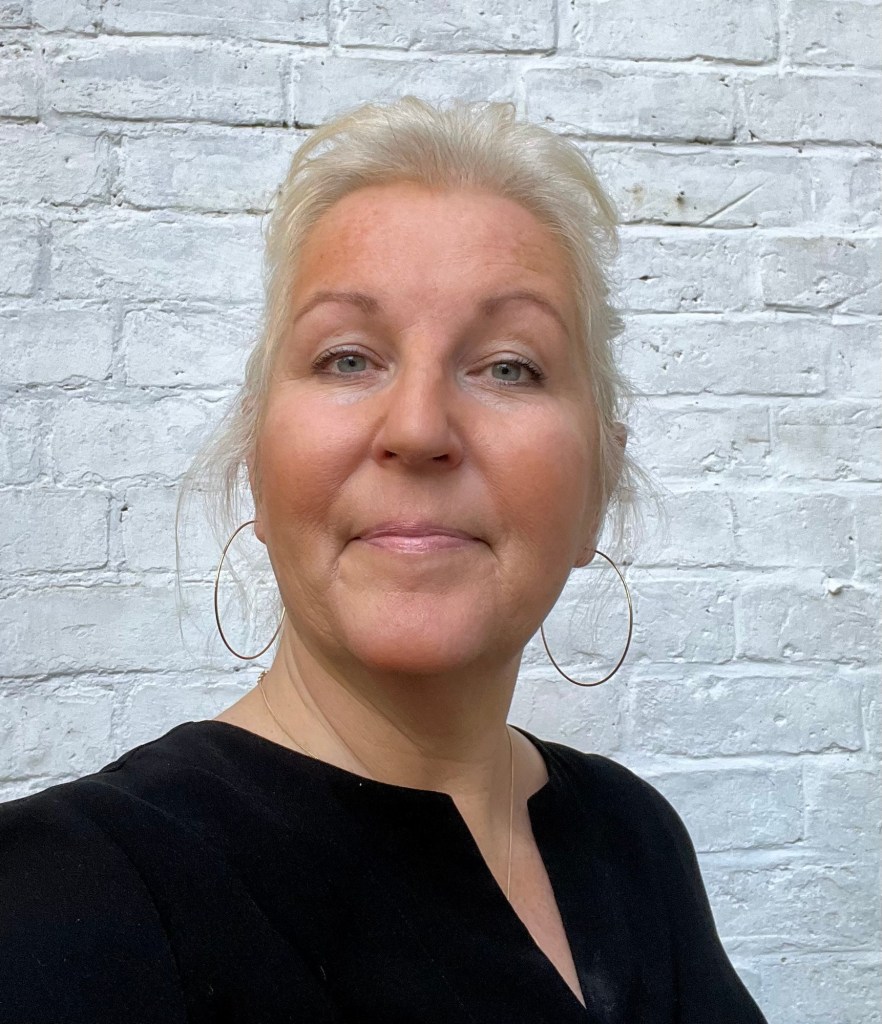
Caroline Jaine is the founder of “The Unbreakable Path” Resilience Program – a combination of science-based theory, practical solutions and guidance – based on unearthing the strong and unbreakable path that is unique to each of us. The Unbreakable Path can be delivered online in groups; on a 1-2-1 basis; or as a one week workshop for organisations.
 www.CarolineJaine.com