
We all know someone who always puts others first – the one who volunteers, steps up to help, and seems to radiate compassion. Maybe that person is you. But why do some people feel so compelled to give, often prioritising others’ needs over their own? Let’s dive into the psychology of life’s givers and explore why giving is both a beautiful strength and, at times, a vulnerability.

The Drive to Give
At its core, giving is wired into us. Studies in positive psychology reveal that helping others activates reward centres in the brain, releasing feel-good chemicals like dopamine and oxytocin. Giving makes us feel purposeful and connected. It strengthens our bonds with others, creating communities built on trust and empathy.
But for some, the urge to give goes deeper. Life’s givers often derive their sense of self-worth from being needed. They are the ones who find meaning in service, who thrive on making a difference, and who struggle to say “no” even when they’re exhausted.
The Wounded Healer
It’s also important to acknowledge that many who find themselves in caring and support professions – firefighters, teachers, therapists, paramedics – have often walked their own challenging paths. Research and experience alike highlight that individuals who have survived abuse, trauma, or profound hardship frequently gravitate towards roles where they can help others. At some level, their drive to support others is intertwined with their own healing journey. In helping others to heal, they often find a sense of purpose, redemption, and empowerment for themselves. It’s a powerful, if sometimes subconscious, way of transforming pain into purpose – of turning personal struggles into compassion and strength. While this makes them incredibly effective and empathetic, it also means they must be especially mindful of their own boundaries and self-care, so that their desire to help others doesn’t eclipse their own need for healing and growth.
Through their own challenges, others may have witnessed the kindness and bravery of support and emergency services personnel, and been so in awe that they are driven by a desire to emulate them. They may have been a victim of crime, so impressed by the police response that they became an officer; or have witnessed a loved one’s last days and been inspired to become a palliative nurse; or maybe someone from a troubled family, made to feel safe by a support or social worker.
Our own experiences often drive us to become one of life’s givers.
When Giving Becomes a Vulnerability
However, while giving is a positive force, it can become a double-edged sword. For some, giving can mask feelings of low self-worth: “If I’m not helping others, what value do I have?” This can lead to self-neglect, burnout, and even resentment when giving is not reciprocated or appreciated.
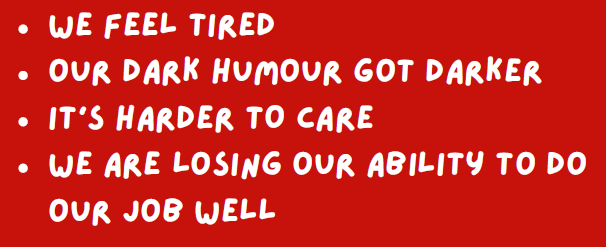
Givers might also struggle with boundaries. It’s easy to slip into a pattern of overextending themselves, feeling guilty for prioritising their own needs. Over time, this can erode resilience and make them vulnerable to stress, anxiety, and even depression.
A Purposeful Life
Yet, at its best, giving is a powerful source of purpose. Having a sense of purpose—a reason to get up in the morning—has been linked to better physical health, increased happiness, and a longer life. Purpose helps us navigate adversity with greater resilience, reminding us that our efforts matter.
For life’s givers, the key is balance. By recognising their own needs and setting healthy boundaries, they can continue to give without burning out. After all, we can’t pour from an empty cup.
Celebrating the Giver in You
If you’re a natural giver, embrace it as a gift. Your compassion and generosity make the world a better place. But also remember that you deserve care, too. Prioritising self-worth and purpose means not just giving to others, but also giving to yourself – time to rest, time to dream, and time to grow.
So here’s to the givers: the everyday heroes who light up lives, lift burdens, and remind us all what it means to be human. May your kindness continue to shine -and may you always find the strength to give from a place of balance and joy.
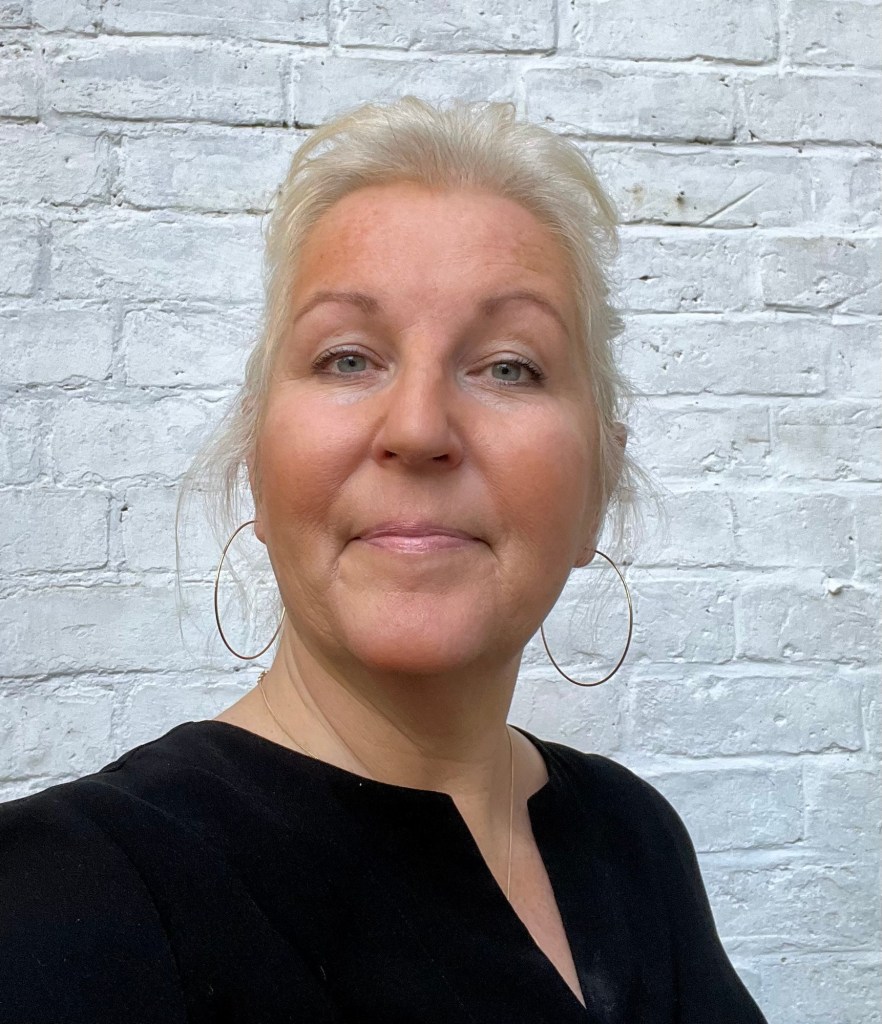
Caroline Jaine is the founder of “The Unbreakable Path” Resilience Program – a combination of science-based theory, practical solutions and guidance – based on unearthing the strong and unbreakable path that is unique to each of us. The Unbreakable Path can be delivered online in groups; on a 1-2-1 basis; or as a one week workshop for organisations.
 www.CarolineJaine.com